De Haas emphasized that the way we speak about migration matters, not only to our discourse, but also to the lived experiences of migrants. Using “migrant worker” instead of “expat” indicates a particular idea about the person in question. We perhaps think “unskilled” or it brings up certain ideas of race and ethnicity. De Haas […]
2020
Migration as opportunity
Marianne Kamp Armenia has not been blessed with either prosperity or population growth since it became an independent country with the collapse of the USSR in 1991. This graph shows that at the beginning of independence, Armenia’s population was about 3.5 million, and as of 2020, it is 2.6 million. Many of these migrants have […]
Labor and Migration
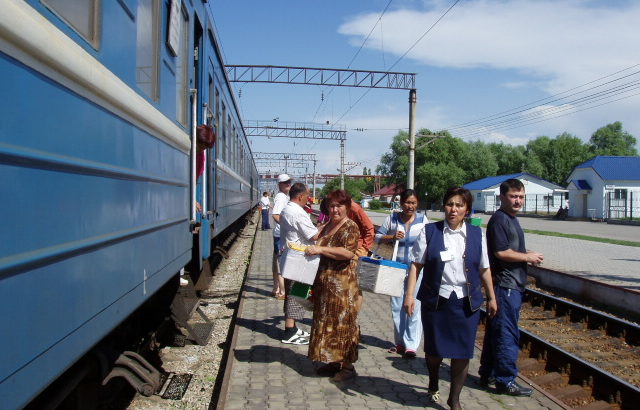
Welcome to the Labor and Migration in Central Asia blog. This is not a public website: it is available only to students from this class, and it becomes available to you after you are registered as an author on the site. This blog is on WordPress and it uses a Gutenberg Blocks-style form of editing. […]
Welcome to the Gutenberg Editor
The goal of this new editor is to make adding rich content to WordPress simple and enjoyable. This whole post is composed of pieces of content—somewhat similar to LEGO bricks—that you can move around and interact with. Move your cursor around and you’ll notice the different blocks light up with outlines and arrows. Press the […]
Welcome to the Blog: Labor and Migration in Central Eurasia
Marianne Kamp, Aug 16, 2020 That looks a little different than the Khorgos “Inland Port” today. Since 2000, many factors have contributed to putting millions of people in motion across international borders: wars, economic growth, reduction in visa barriers, investments that make travel cheaper. This class uses examples from Turkey, the Caucasus, and Central Asia […]