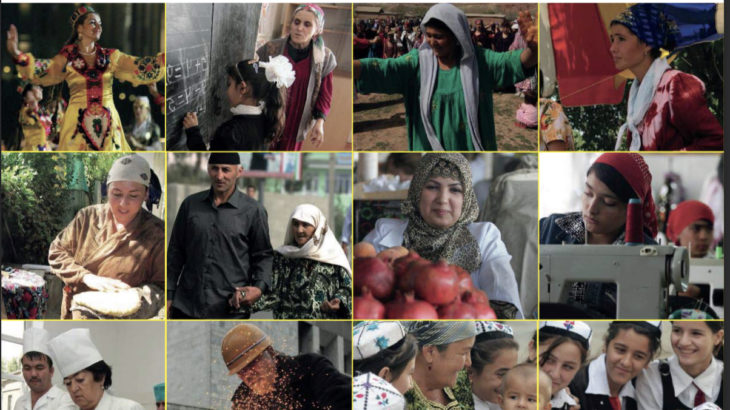
Labor migration impact on Tajikistan; the case of its women and children

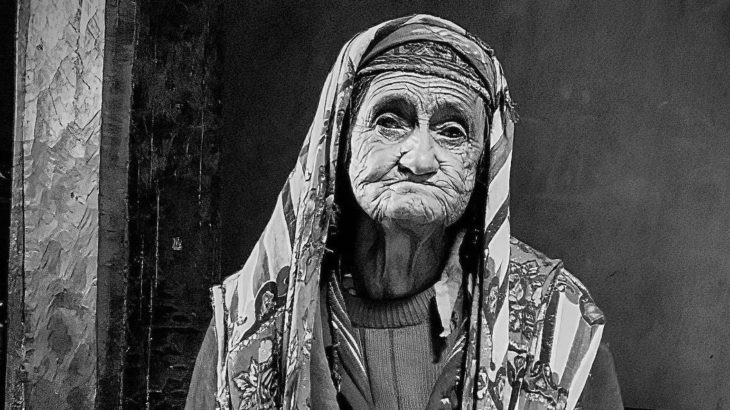
Introduction How is a Tajik woman portrayed in the story of Tajikistan and Central Asia in general? How much this notion of lack of geopolitical interest in the country and zero economic resources is creating a vacuum around the Tajik woman? How invisible are they? What does it take to bring the voice of women […]
Continue reading


Gender roles and status of young migrant women and the impact of their lives on those left in Tajikistan.

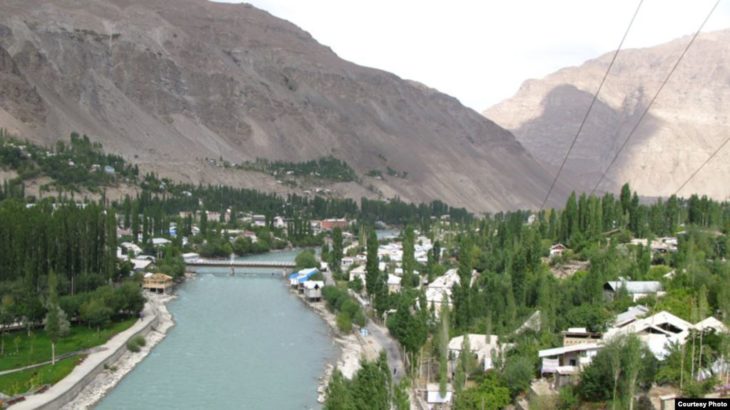
The case of Gorno-Badakhshan Autonomous Region (GBAR), the Pamir people. The Tajik Civil War of 1992-1994 took the lives of 100 thousand Tajik people and left 55 000 orphans and 20 000 widows. After the collapse of the Soviet Union and the civil war the country faced “severe economic challenges and a seriously lowered standard […]

Continue reading


How Migration Policy and Cultural Differences Affect Migrant Women’s Reproductive Health

Due to various political and systematic factors, many migrant women around the world are not provided access to necessary reproductive health services. While many women may work in countries that offer sexual health programs to native women, it is fairly common to find policies in place that restrict migrant women’s freedoms to obtain birth control […]

Continue reading


Portrayal of a woman in the Pamir’s oral history; folk tales, myth and spiritual teachings.

Research on Central Asia suggests that very few have written about women of the remote area of the region that live in the high Mountains of Badakhshan in Tajikistan also known as the Pamirs. Migration from the Badakhshan region to Russia and other parts of the world is prevalent. What I am interested in is […]

Continue reading


Reproductive Health Access for Migrant Women

For women who migrate, access to health care, in general, is extremely restrictive. However, reproductive health care has become an even more restrictive resource, especially for women who do not have citizenship or legal status in the country they reside in. Migrant women, compared to men, face increasingly more challenges due to restrictive medical barriers […]

Continue reading


Room for Growth: The Place of Armenian Women within a Patriarchal Society

The Workforce                                                                                                The struggle for gender equality is a familiar foe of Armenian women. Since the fall of the soviet Union in 1991 when the female unemployment rate was a mere 2.19%, women in Armenia have struggled to maintain their place in the workforce (World Bank, 1991).   Let’s talk more numbers. Armenia first […]

Continue reading


The question: to migrate or to not migrate? Both exude agency, both are controlled by structures.

Gender is an important dimension of migration. Female migration workers in the past have been dismissed and defined through the patriarchal structures of society as wife, mother, and dependent on the male breadwinner. Through different aspects of international migration, however, these structures and prescribed gender roles have been slowly challenged through traditional family models, and […]

Continue reading


New finds online–Central Asians in Russian prisons, and Tajik women laborers

Marianne, Sept 18 Thanks to my many fabulous facebook friends, I sometimes become aware of things that might interest some of you and are related to this class. The first is a blog by scholar Rastamjon Urinboyev. He writes about legal and social issues for Central Asian migrants in Russia, and this is his posting […]

Continue reading