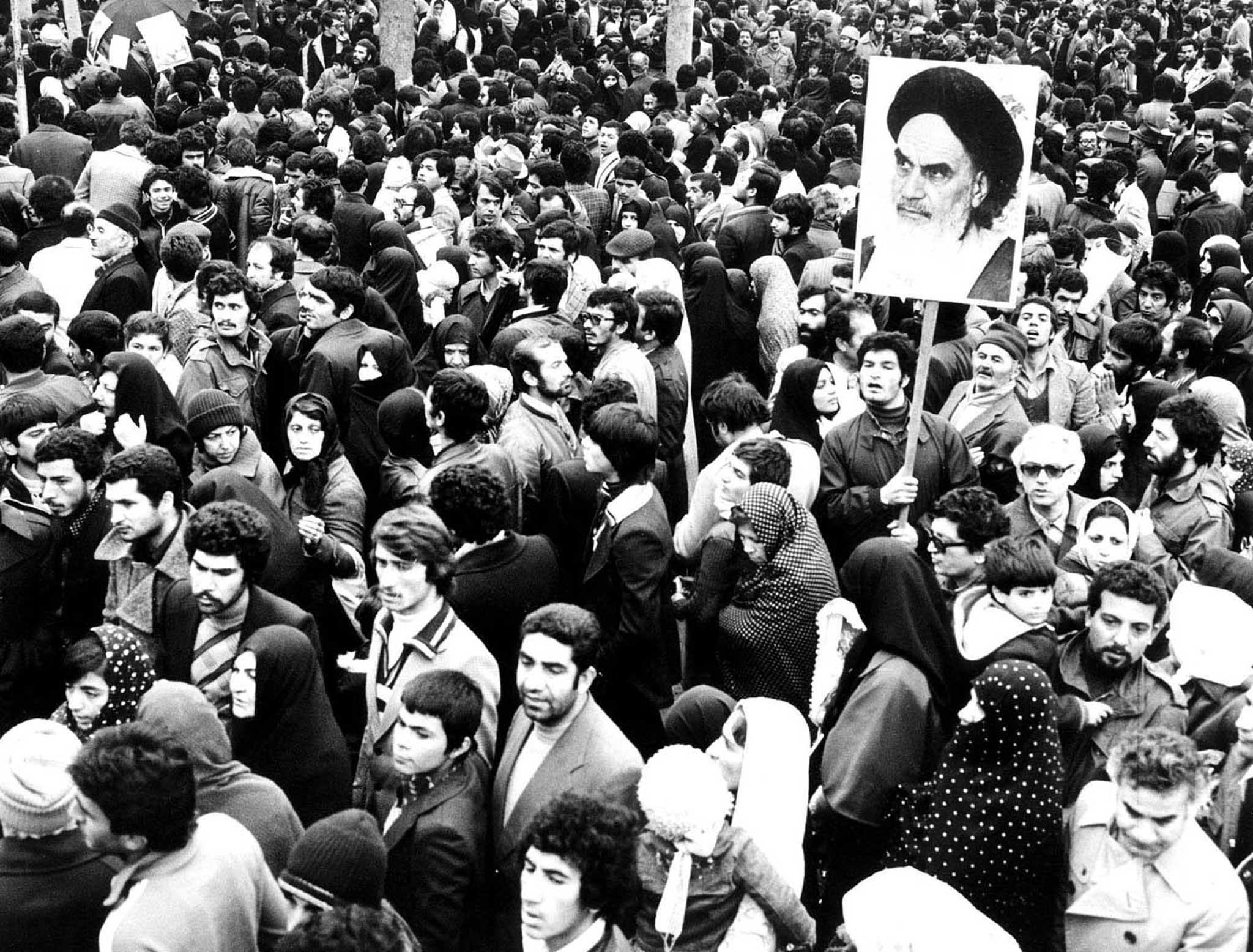
Imagine packing everything you own into one little suitcase and never having a home. Well this is the experience for Rozina. She was born in Iran after the Islamic revolution in 1979. Almost all aspects of life were changed, especially for women. Rozina is a Persian name and the Iranian government disapproved of any name that was not Islamic. Rozina could not look or talk to boys. Her father was a professional photographer and worked for a government organization. He was jailed several times, for finding out information the government attempted to keep secret. Rozina and her family fled Iran, first being smuggled into Pakistan, then Turkey, and eventually Holland. But, they were not the only people who decided to come to Europe. Hundreds of thousands of migrants came to Europe. Rozina and her family were deported from Holland, as the government were not enthusiastic about muslim migrants coming. They eventually landed in Greece where tons of other Persian migrants went (or were deported to). She ends saying “I may be young, but my life has taught me that the most important things in life are the insignificant, every day desires” (Gazmend Kapllani,”An Athenian…from Iran”(WWB Daily)).
Not far away, a family from Syria also migrates to Greece. In 2011, the Syrian war began between many different countries and ethnicities, with peaceful people stuck in the middle. A Kurd named Shiar studied english at University and then became a teacher in Aleppo, Syria and decided to move to Turkey. He wanted to avoid military conscription in the Syrian Army. The war in Syria worsened, and Shiar’s family decided to move from Aleppo to Turkey to live with Shiar. Shiar and his family hoped for a better life in Turkey, however their identification status was “migrant” and they could not receive healthcare benefits. As a result, Shiar’s parents wanted to take a boat to Greece. Shiar was less than enthusiastic: “I was frightened as I’d seen the people getting drowned on TV, but they insisted”(Shiar, “A Syrian refugee’s story”(Cartias Aoteroa New Zealand)). The conditions of the journey to Greece were not ideal, as there was not a lot of water and not much room for anything besides people. Shiar recalls “the smugglers were greedy”(Shiar, “A Syrian refugee’s story”(Cartias Aoteroa New Zealand)).
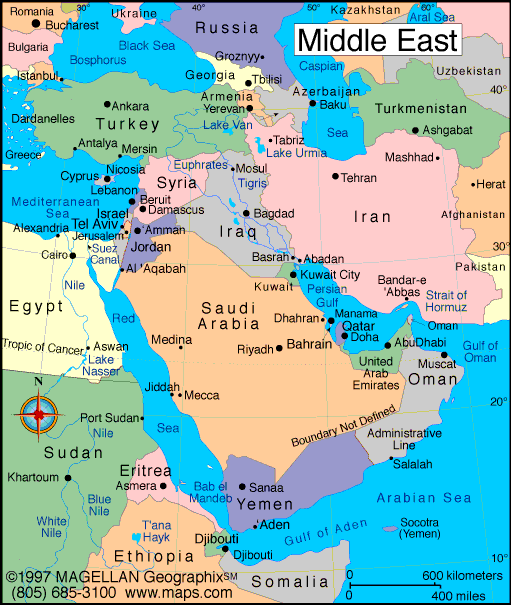
Not all the migrant stories end in hardship and despair. A country bordering Syria also had many migrants leaving. The war in Iraq started in 2003, as a “war on terror” was initiated after the 9/11 attacks. Since 2003, many migrants from Iraq have been looking for safe refuge. Maysee Al Haboobi and her parents moved to Canada in 2009 and were overjoyed to have ended up there. She recalls “We were looking for a place to settle in a safe, friendly and peaceful place to call home”(Maysee Al Haboobi, “The immigration story of Maysee Al Haboobi(Iraqi refugee)”(Canadian Museum of Immigration at Pier 21). She ended up going to university and being part of Canadian Culture.

These stories all have a similar reason for migration. In the Age of Migration by Hein De Haas, the author points out a number of reasons why a person should or could move. In today’s world, most people move because they “have to”. Not all countries have the luxury of resources or capital, and their citizens must find a way to live! Author Dehaas points out a functionalist theory-of “push and pull. He writes, “push-pull models identify economic, environmental, and demographic factors which are assumed to push people out of places of origin and pull them into destination places. ‘Push factors’ usually include population growth and population density, lack of economic opportunities and political repression, while ‘pull factors’ usually include demand or labor, availability of land, economic opportunities and political freedoms” (Hein De Haas, “The Age of Migration: Sixth Edition”(p.45)). Globalization intensifies most of these factors, where the wealthy countries gain wealth and the impoverished countries stay poor. Today, most migrants are “pushed” rather than “pulled”, as many migrants are fleeing from wars(as many times more civilian lives are cost than soldier lives) and poverty. Yet, there is an ongoing theme of “just surviving” as many migrants do not have clean water/food, and live in horrible conditions. Many migrants dream of their native countries being prosperous, democratic, and cooperative, but in many it is impossible. Many countries are ruled by a government that does not want to change and does not allow their citizens to change their mind. The best hope is for citizens to gain an education (in a different country) and spur real change. Many of the countries that migrants get “pulled” to have good education and health benefits.
Migration is increasing due to economic hardships and war torn countries. All migrants are looking for an economically safe future which “pushes” them to many different countries. As poverty in many countries increases, there is still gratitude. Rozina was appreciative of when she had enough and hoped for more when she had little. The story should have made people feel more appreciative for clean food and water, a bed, and a safe place to call home. Shiar sacrificed a career as an english teacher to help his family move to safety in Greece. Maysee Al Haboobi and her family moved to Canada for a safe life. Many migrants have harder lives than most believe. A migrant must leave a history, culture, and a family and learn a new language and way of life that is foreign to them. Migrants highly value the everyday things that ordinary people take for granted.
Works Cited:
Al Haboobi, Maysee. “The immigration story of Maysee Al Haboobi(Iraqi refugee)”.Canadian Museum of Immigration at Pier 21.Link:
https://pier21.ca/online-collections/the-immigration-story-of-mayse-al-haboobi-iraqi-refugee
De Haas, Hein. “The Age of Migration: Sixth Edition”.p.45.
Kapllani, Gazmen. ”An Athenian…from Iran”.WWB Daily. Link:
https://www.wordswithoutborders.org/dispatches/article/an-athenian-storyfrom-iran#container
Shiar, “A Syrian refugee’s story”.Cartias Aoteroa New Zealand. Link:
https://caritas.org.nz/newsroom/stories/syrian-refugees-story
Picture Links:
Interesting observation: when we look at these individual stories of migration, we see the push factors, and we don’t see pull factors. In these cases migrants or refugees left their country because they had to, due to oppression, poverty, or war, and they were not necessarily trying to go to a particular place, just to a safer place. Thus it seems logical to say that there is no “pull factor” at work at all.