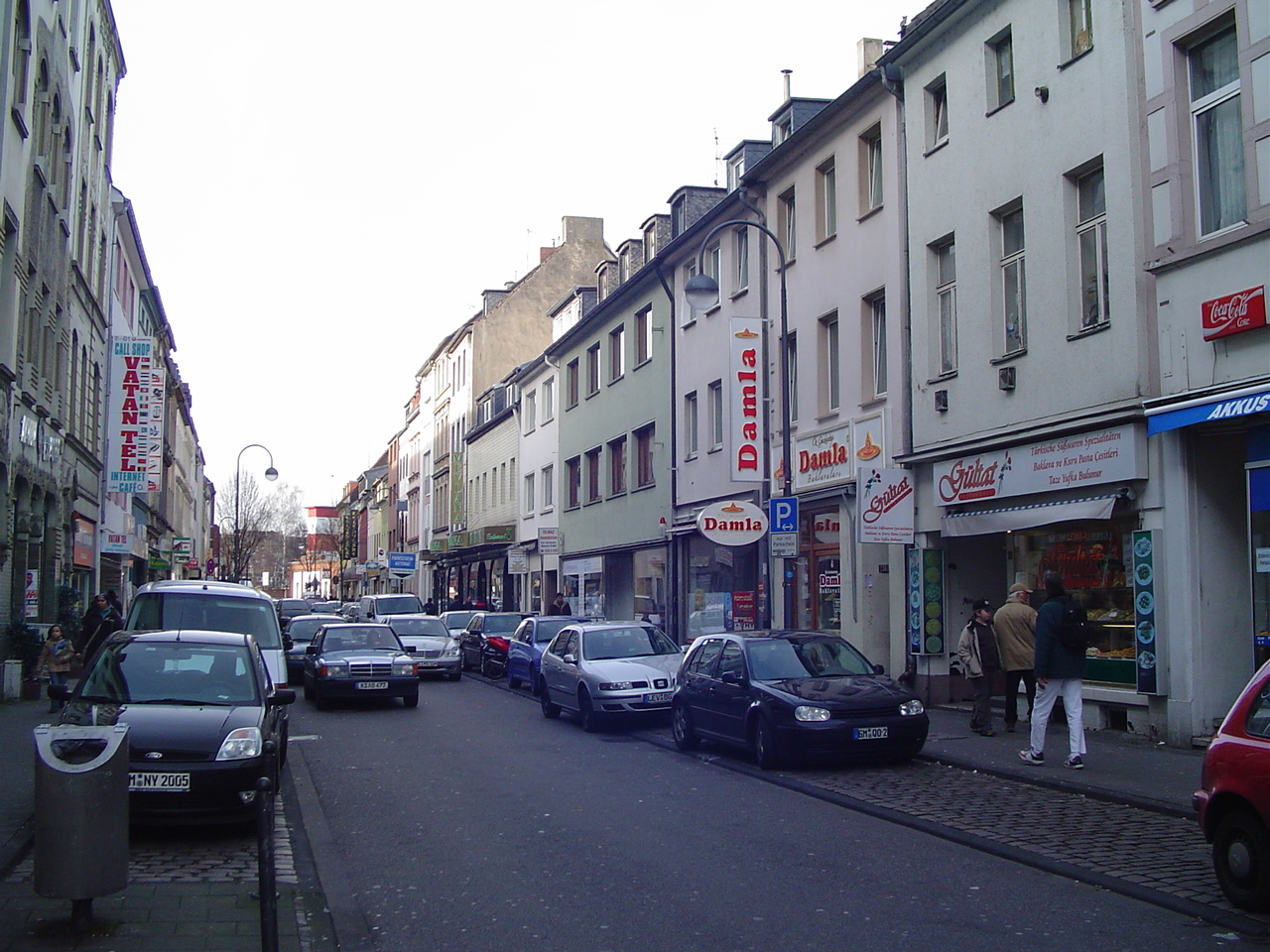
Since the 1960s, there have been an influx of Turkish people in Germany, who came to work and send money back home. Today there are more than 7 million people of direct Turkish descent or who have Turkish roots. The Turks have felt more discriminated against even in their “German neighborhood” called Keupstrasse in Cologne, Germany. This is a region where all the shops and people are Turkish. Despite this many Turkish people living in Germany have become successful in business and trade and further add to the strong Germany economy. These successful people also send remittances to their families which also helps the Turkish economy. So, why are Turks feeling discriminated? There are three sides to every story. This is the Turkish side and the German side, and everyone else. My next blog post will be about Turkish neighborhoods in Germany(Resilience).

The Turkish Side- A big part of integration into society has been about jobs. A job teaches a person a new useful skill and provides income but it can also provide a way to integrate into a new culture. The DDIF- The Federation of Democratic Workers’ Association has been attempting to give more rights to Turks (and Kurds) in Germany (Eva Ostergaard-Neilsen, “Transnational Politics: The Case of Turks and Kurds in Germany” (pg.50-52, 12/20/2002)). Many Turks have worked hard (harder than most) to build successful businesses. They have not only survived, they have exceeded. An account from a second generation Turkish woman explains how she views Germany. Meral Sahin, who owns a decoration store believes in the importance of connection between German and Turkish people. Since Turkish Recep Erdogan gained power in 2014, there has been a split for Turks in Turkey and also Turks in Germany. As people asked Sahin, “if she is pro Erdogan ”, she also says “That Turks are more German than than the ethnic German, as their (Turks) interests are in business and perseverance”(Meral Sahin, “German and Turkish – Cologne’s Keupstrasse | DW Documentary”(4/3/2017)). Another account from Dilek Yilmaz explains that whenever she goes on vacation that her family asks “when are we going home” and they mean back to Germany. She views Germany as her motherland as she grew up there. However she also explains that she applied for a job as a cashier, the store claimed they were not hiring, Yilmaz says “she saw a new person working the register the next day”(Dilek Yilmaz, “People & Politics | Turks in Germany | DW Documentary”(2/9/2009)).
An account from Kazim Erdogan explains a family dynamic that at times struggles with German culture. The grandmother of the family got frustrated with seeing two people kiss on TV (German), or when her granddaughters got ice cream with a boy. The daughter, Yonca Erdogan, says, “I don’t see myself as an immigrant, people should accept me as I am. And not think that just because I have dark hair I am a muslim”(Kazim Erdogan, “Immigrants in Germany – The next generation | People & Politics| DW Documentary”(4/20/2012)).
The German side- Many of these opposing views clash, and clash violently. As many Germans have viewed Turks as foreigners as they stay in their “own” neighborhoods and speak their own language. Lots of Germans have an increasingly negative view toward Turks (and Muslims). In July of 2017, a Palestian asylum seeker went on a stabbing rampage in a supermarket in Hamburg Germany. The killed one and injured six people. Hamburg interior Minister said “What we can say of the motive of the attacker at the moment is that on the one side there are indications that he acted based on religious Islamist motives, and on the other hand there are indications of psychological instability”(Zoie O’brien, “Hamburg terror – Killer knifeman in supermarket rampage was ‘known Islamist’”(Express: Home of the daily and Sunday Express, 7/29/2017)). On October 20th, 2020, an asylum seekers stabbed two tourists in the city Dresden, Germany. One victim died of their injuries, the other sustain serious injuries. The German Justice Minister said “Islamist terror is an ongoing major threat to our society, which we must fight against with all our might”(Femke Colborne, “Deadly stabbing in Germany investigated as terrorist attack”(International Business Times, 10/21/20)). In August 2020, An Iraqi man drove his car into motorcyclists injuring nine people in Berlin Germany. Berlin Senator Andreas Geisel said “according to the current situation of our investigation we assume this was an Islamist-motivated attack, and adding “A religiously motivated background cannot be excluded”(Associated Press, “Berlin Terrorist Attack: Man runs over motorcyclists”(The Mercury News, 8/9/2020)). There have been a handful of terrorist attacks from radical religious groups who claim to be part of Islam. Yet, there have also been right wing groups in support of German nationalism. “German prosecutors charged 12 suspected conspirators planning terrorist attacks on politicians, asylum seekers, and muslims”(“Germany charges 12 in far-right terror plot”(Aljazeera, 11/12/2020)). So while, the violence is growing on the news the hate is growing inside both Turks and Germans.

9/11 changed the world, and greatly affected migration for all. At the airport, travelers had to take shoes off, and go through metal detectors, while luggage had to be screened, these was implemented in almost every country to combat “new terrorism”. In the Age of migration by Hein De Haas he explains that “9/11 attacks in 2001 intensified the framing of immigration as a fundamental threat to the security of Western destination societies”. He also believes “A key dynamic involved a blurring of counter-terrorism measures with immigration policy measure”(Hein De Haas, “The Age of Migration: Sixth Edition”(pg. 236)). Frisking has become all too common around the world. Travel bans have also become popular for safety (with a political motive). The Patriot Act, which allowed the U.S. government to closely monitor their own citizens(and abroad) no matter the cost (phone tapping, tracking, spying), and many were against this and believed it was unconstitutional. However, the images of attacks of 9/11 along with almost 3 thousand American lives lost and thousands more affected to this day, the Patriot Act was passed. That was not the end. Soon after the 9/11 attacks, President George Bush sought justice and initiated the “war on terror”. Many Americans had not ever heard of the countries where the plane hijackers were from, but they put the words terrorism and Islam together, and so started racism against anyone who was muslim. American troops began to deploy to Afghanistan to attempt to take down those responsible. However, The United States was also involved in conflicts in the Middle East, fighting the “war on terror”. The mastermind behind the attacks, Osama Bin Laden, was found and killed on May 2, 2011. This was still not the end. Although the United States had avenged those killed in the attacks, terrorism grew all around the world, and more people began having prejudice against Islam. Which made those who practice Islam feel untrusted. Author de Haas makes a point, “ ‘Islamic threat’ and ‘Islamization’ narrative have gained considerable political traction in nativist circles, with various politicians and media fueling fears that potential terrorists may inflate Western countries disguised as asylum seekers”(Hein De Haas, “The Age of Migration: Sixth Edition”(pg. 236)).

This has not only been the case in the United States but has also been seen in France. On October 16, 2020 French teacher Samuel Paty was decapitated by a Chechen in protest of him showing a depiction of the sacred prophet Mohammed. There were numerous attacks in defense of Mohammed in France then after. Yet a poll showed “60 percent of all French people support the publication, and say they don’t understand the offence that the cartoons cause Muslims”(Maya Rostowska, “How France became the Muslims most hated country in the west”(Vice, 11/13/2020)). The split between ideas of securalism between non-mulism French and muslim French has become very apparent, and it is not just the citizens voicing their opinion. French President Macron has also proposed “some” restrictions on Islam as a way to stop extremism. “In response Turkish president asked Macron to get his head checked”(Maya Rostowska, “How France became the Muslims most hated country in the west”(Vice, 11/13/2020)). This has not only further separated Turks and Europeans, it also split east and west, mainly muslims and non muslims. This has worsened an already worse situation, as in the last decade there have been “extremist” attacks in Sweden, France, Great Britain, Belgium. This also makes the Turkish community in Germany that much more distant to Germans. The incident in France sparks unrest on both sides, as it makes other European politicians weary of their Muslim population, and a result lessens the trust that muslims have with their “second” country in Europe. This has not gone unnoticed, as in response many far-right wing groups have begun to emerge all throughout Europe, with the goal of expelling anyone who is not “them” (immigrants, minorities, Muslims). They have shown up mostly in Poland, but with more nationalism and independence on the rise, more politicians are allowing it for votes in their parliament. “Polish political party Law and Justice won 37.6% of the votes in Sunday’s ballot.”(“Right wing law and justice party wins overall majority in polish election”(The Guardian,(10/27/2015)).
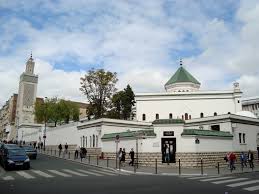
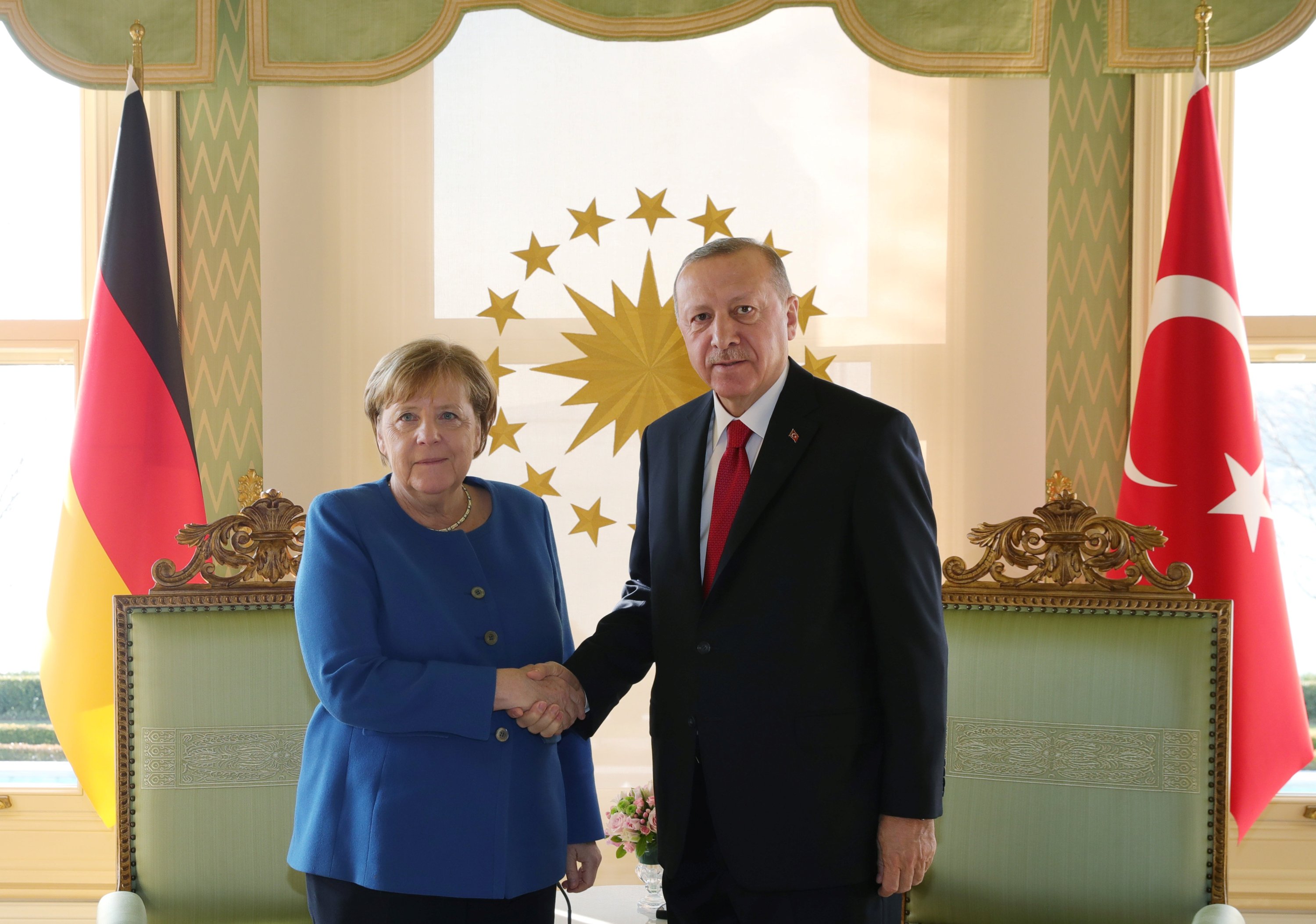
Hatred toward Muslims has only grown in recent years in Europe, as it is a “way” (the wrong way) to show nationalism. In fact nationalism is a trend, as China flexes its economic might, Turkey flexes its stronger independence, Russia expands its military, as many other countries follow suit. Germany is a leader of the European Union, which eagerly promotes “the movement and arrival of people”, that may soon change as the more Turkish people in Germany are viewed upon as foreigners the more “left out” they feel and as a result turn back to Turkey where the president Erodgan is rallying support for a very pro-turkish (only) state. In fact in 2014, Erdogan made a referendum allowing Turks abroad to vote (for him) in Turkey. “Almost two-thirds of Turks voted in Germany for Erdogan of Turkey”(Chase Winter, “Turks in Germany praise ‘our leader; after two thirds vote for Erdogan”(DW News, 6/25/2018)). They feel more welcome in their foreign homeland than they do in their native foreign land of Germany. Yet, Turkey has wanted to join the EU and could add a great deal to the already strong economy. However in 2017, German Chancellor Angela Merkel stated Turkey should not become a member. This further soured relations between Turkey and Germany and left Turkish-Germans in Turkey in an uncomfortable position, as to whether to support their ancestral homeland, or the land they grew up in.
Works Cited:
Associated Press. “Berlin Terrorist Attack: Man runs over motorcyclists” The Mercury News, 8/9/2020. https://www.mercurynews.com/?returnUrl=https%3A%2F%2Fwww.mercurynews.com%2F2020%2F08%2F19%2Fberlin-terrorist-attack-man-runs-over-motorcyclists%2F%3FclearUserState%3Dtrue
Colborne, Femke. “Deadly stabbing in Germany investigated as terrorist attack” International Business Times, 10/21/20. Deadly Stabbing In Germany Investigated As Terrorist Attack (ibtimes.com)
De Haas,Hein. “The Age of Migration: Sixth Edition” pg. 236.
Erdogan, Kazim. “Immigrants in Germany – The next generation | People & Politics| DW Documentary” 4/20/2012. https://www.youtube.com/watch?v=dXVWJPJFuFM
Germany charges 12 in far-right terror plot” Aljazeera, 11/12/2020. https://www.aljazeera.com/news/2020/11/12/germany-charges-12-in-far-right-terror-plot
Ostergaard-Neilsen, Eva. “Transnational Politics: The Case of Turks and Kurds in Germany” pg.50-52, 12/20/2002.
O’brien, Zoie. “Hamburg terror – Killer knifeman in supermarket rampage was ‘known Islamist’” Express: Home of the daily and Sunday Express, 7/29/2017. Hamburg terror attack: 1 dead and several injured as knifeman goes on supermarket rampage | World | News | Express.co.uk
Right wing law and justice party wins overall majority in polish election” The Guardian,10/27/2015. https://www.theguardian.com/world/2015/oct/27/poland-law-justice-party-wins-235-seats-can-govern-alone
Sahin, Meral “German and Turkish – Cologne’s Keupstrasse | DW Documentary” 4/3/2017. https://www.youtube.com/watch?v=Hj5dCmt2p1U&t=126s
Rostowska, Maya. “How France became the Muslims most hated country in the west” Vice, 11/13/2020.
Winter, Chase. “Turks in Germany praise ‘our leader; after two thirds vote for Erdogan” DW News, 6/25/2018. https://www.dw.com/en/turks-in-germany-praise-our-leader-after-two-thirds-vote-for-erdogan/a-44378286
Yilmaz, Dilek. “People & Politics | Turks in Germany | DW Documentary” 2/9/2009. https://www.youtube.com/watch?v=hNQn_hshiMs
Picture Credits:
Hi Dias, interesting post! I like how you bring in events from around the world to help explain the context of Germany’s situation. I also like how you split the post into Turkey’s side, Germany’s side, and the “other” side. I do think that both the Turkish and German sides may be a bit more complex and I would have liked to see some more concrete information about, for example, the employment situation for Turks in Germany. You mention that jobs are an important aspect of integration into society, which makes me wonder where Turkish migrants are employed. Do they work in construction, in retail, all over the place? I would also be interested in knowing how the German public has reacted to the claims being made by German politicians. Do many of them share the same views (about Islam as a threat)? Overall, your post gave me a lot to think about and I look forward to the next installment!
Hi Dias, this was an interesting post and I appreciated the different “sides” and perspectives. However, I was a little confused about your underlying argument, methodology, and how you will continue this research into your next post.
Your post links migration to rising Islamaphobia in Europe, and investigates the identity conflicts between Turkish immigrants and descendants, and various European groups. You also show that geopolitics (such as Turkey’s quest to join the EU) reacts to and shapes attitudes toward immigrant groups.
Hi Dias, I wanted to return to this post and write more than just a couple of sentences. I apologize for my previous (and very brief) comment. I was sick all week and my brain just wasn’t up to the task of actually engaging with others’ writing. I like how you begin your post by offering various viewpoints around a similar topic. I especially like how you rounded off our discussion with some points about rising nationalism and populism. I agree that rising nationalism has made many splits between populations, including a split between East and West and a split between Muslims and Non-Muslims. I often ponder what the eventual solution to issues such as rising nationalism, populism, and increased xenophobia could be, but these seem to be issues which creep their way into different countries’ politics generation after generation. Well done! I really enjoyed reading your post.
I really appreciated your use of quotes from Turkish-Germans. They really added to the understanding of the Turkish-German identity crisis. I found your addition of migration and Islamophobia related events very interesting. I think it’s good and very relevant that you highlighted the emphasis on the religion of the Palestinian stabber rather than his apparent mental illness. As far as the overall trend of a rise in nationalism and nationalistic ideals, I would be curious to know how U.S. events such as the 2016 election affected attitudes towards migrants in Germany. It is important to note that Alternative für Deutschland (AfD– far-right nationalist group, largest since Nazi party) gained an unprecedented number of seats in the Bundestag in 2017. It would be interesting to see how this influenced attitudes towards migrants and other minority groups (hate crime statistics and other factors).