For hundreds of years, Afghans have migrated to Iran in order to improve their livelihoods. In the 20th century, the first major wave of Afghan migration to Iran came with the monumental upswing of the Iranian oil industry. Through recruitment by the Iranian government, thousands of Afghan laborers came to Iran.3 The workers enjoyed better wages and Iran capitalized off of an abundance of cheap labor. A few years after the oil boom, Soviet forces occupied Afghanistan and as a result, 2.6 million Afghan refugees resettled in the Islamic Republic of Iran.3 They were granted legal status and given ‘blue cards’. Blue cards allowed Afghan refugees to receive an Iranian education, food subsidies, healthcare, and the opportunity to work low-paying jobs.3
With the occupation of Afghanistan by the Taliban in the 1990s, Iranian policy toward Afghan migrants shifted. Afghan refugees were stripped of their status and were instead granted temporary registration. What followed was a series of deportations and voluntary movements of migrants back to Afghanistan, which resurged after the terrorist attacks on September 11, 2001.3 Afghan migrants were labeled with the somewhat derogatory term of panahandegan 3 and were encouraged to re-register with the Amayesh program, which only allowed them temporary residence.1 Today, Afghan labor migration to Iran is largely circular, and Afghan migrants are afforded very few rights.
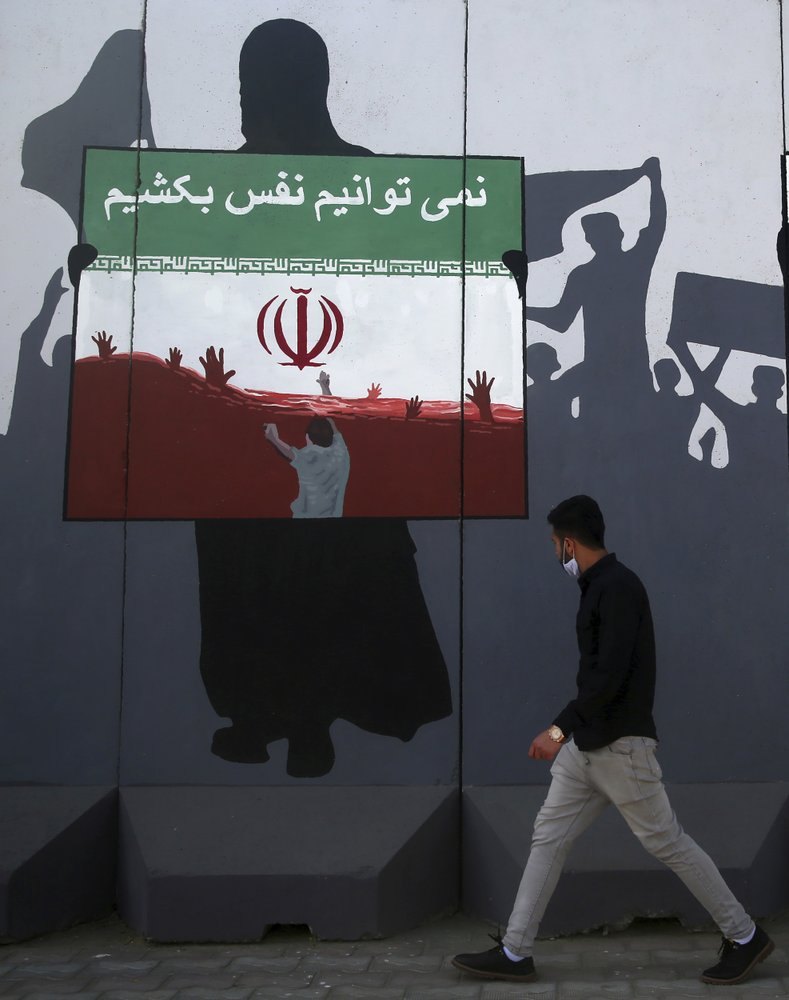
How can the history of Afghan migration to Iran and migration theories serve to explain trends seen in Afghan labor migration ?
Migration networks5 established in the 1970s and 1980s help to explain the large degree to which Afghans migrate to Iran. Thousands of Afghans were living in Iran legally when the Soviet invasion occurred, which then spurred the additional influx of millions of Afghans– the majority of whom resettled in the city, not refugee camps.3 The recognized status of these migrants by the Iranian state allowed for the development of social capital for Afghan migrants looking to work in Iran. A 2008 study by the UNHCR found that “migrant workers spent an average of six days before securing their first employment in the Islamic Republic of Iran”.3 It can be inferred that the settlement of fellow Afghans in Iran created connections for Afghan laborers that made migration relatively easier in the future.
Current patterns of Afghan labor migration can be analyzed using the new economics and household theory approaches (NELM).5 Remittances are a vital source of support for Afghan families. It is estimated that the average young Afghan laborer in Iran sends 70 to 80 percent of his income to his family in Afghanistan.3 This is indicative that for Afghans, migration to Iran is largely about betterment of the family’s financial situation rather than the individual’s. In addition, relative deprivation5 plays an important part in the decision for Afghans to migrate to Iran. In 2008, wages received by Afghan migrants who had returned home were 1/4 of what they were when they were working in Iran.3 While Iran has faced economic hardships with recent sanctions, its economy is still comparatively better off than Afghanistan’s. The economic situation in Afghanistan not only encourages outward migration, but inward migration of another kind.
Afghanistan continues to experience a deficit in knowledge and skill amongst its labor force. This is in part due to a large brain drain of educated Afghans leaving the country, but is mainly due to lack of capital investment in training its workers.3 As far as economic development goes, Afghanistan is behind much of the world, forcing it to play catch-up. The deficit is reminiscent of the one experienced by post-soviet states after the dissolving of the Soviet Union and consequent economic collapse. Where these states chose to bring in Turkish companies to boost their infrastructure2, the Afghan government largely contracts Pakistani companies to work in certain areas such as the mining and telecommunications industries3. The functionalist human capital theory5 gives reasons for in-migration in these countries where one would expect to see mostly out-migration. Migration to Afghanistan and the post-soviet nations by Pakistani and Turkish laborers can be attributed to the flow of human capital to areas where such human capital is low or nonexistent.
Bibliography
1 Dimitriadi, Angeliki. “Migration from Afghanistan to Third Countries and Greece.” European Web Site on Integration. Hellenic Foundation for European and Foreign Policy, April 10, 2020. https://ec.europa.eu/migrant-integration/index.cfm?action=media.download.
2 Abadan-Unat, Nermin, Caterine Campion, and Nermin Abadan-Unat. “Turkish Migration to the Middle East and Russia.” Essay. In Turks in Europe: from Guest Worker to Transnational Citizen, 46–50. New York, NY: Berghahn Books, 2011.
3“Afghanistan Migration Profile.” Kabul: International Organization for Migration, 2014.
4 Gul, Rahmat, photographer. “[A man looks at a painting on a wall written in the Dari Language reading “We cannot breath” during a protest denouncing the killings of Afghan refugees in Iran in Kabul, Afghanistan, Monday, June 15, 2020. The violent deaths of Afghan refugees inside Iran has sparked an uproar despite denials from Tehran. .]” Photograph. Kabul, Afghanistan: AP News. From The Associated Press.https://storage.googleapis.com/afs-prod/media/65dfcb2f37244064a5d213ef38d8167f/1000.jpeg /(accessed October 3, 2020).
5Haas, Hein de, Stephen Castles, Mark J. Miller, and Hein de Haas. “Theories of Migration.” Essay. In The Age of Migration: International Population Movements in the Modern World, 42–74. London: Red Globe Press, 2020.
This was really interesting to read, especially about how the current “I Can’t Breathe” phrase in us is being utilized to represent the challenges and discrimination against Afghani people in Iran. Another point I thought was interesting is that we often learn about how September 11 affected Middle Eastern people, but I never really thought about how this would encourage Iranians to be racist against Afghani people. Most of the time, we view 9/11 as a shift in American consciousness against Afghani people and Arabs in general, so it was interesting to see how 9/11 changed Iranians’ perceptions of Afghani migrants and migrants policy.
Hi Audrey- Some simple facts I noticed while reading your post really jumped out, the main one being least 70 % of income from Afghan workers in Iran is sent home to their families. This is a stark contrast to the migration of women from Armenia who found themselves in the position of primary provider after their husbands failed to send money and chose to start new lives with new families abroad. I think the difference in the stregnth of family dynamics and responsibility is interesting. I was also glad to see you pointed out the vast wage difference between home and abroad; of course they migrated for an opportunity to help their families, but I was plesantly surpised to read that even though they filled low paying positions, since the work still paid significantly more than they were used to earning at home, both sides, migrant and destination country, benefitted from each other which is not always the case.
You pay attention to both the ordinary workers who leave Afghanistan to find work in Iran, and the workers for Pakistani and Turkish companies who go to Afghanistan to work. I’d note the really large flows of professional aid workers who migrate to Afghanistan to work as well. Where did you read about the Pakistani laborers in Afghanistan?
In the Afghanistan Migration Profile
The profile also touches quite a bit on Afghan migration to Pakistan, as it is one of the most popular destination countries for Afghan migrants. There is also information about the economy of Afghanistan and specifically the brain and skill drain it faces that mentions high numbers of permits granted to Pakistani workers (talked about briefly in section titled “Immigration for Employment” and later on).
This is a great read and additionally to what was mentioned in the previous comments what stood out to me was also that shift in policy after 9/11, it reminded me De Haas’s theories on how minorities are formed and the rhetorics used by governments to reward labor migration and/or take away rights just like that. I also find it curious that Soviet Occupation led to such a large influx of migration because very often in my personal experiences more and more I find Aghans reminiscing and regretting to have lost Soviet occupation to the Taliban rule. Interesting point abut Turkish and Pakistani workers coming to Afghanistan for work as well. Thank you for your post.